Covered Chicken Run Design
Highlighted under: International Meal Ideas
I love creating a safe and comfortable space for my chickens to roam freely outdoors. Designing a covered chicken run not only protects them from predators but also allows them to enjoy fresh air and sunlight without worry. When I first started keeping chickens, I faced challenges with escaping birds and the constant threat of local wildlife. After experimenting with various designs, I discovered that a well-structured covered run made all the difference. It's simple to build and rewarding to see my hens happily exploring their secure environment.
Building a covered chicken run was a project I took on to ensure the safety and happiness of my flock. I started by researching various designs that would not only keep predators out but also provide shade and shelter. After trying a few different layouts using PVC pipes and wire mesh, I found that a triangular roof design worked best for my space, efficiently shedding rain and snow while allowing ample light.
What I learned through this process is that reinforcing the structure with strong supports is essential. My chickens love the extra vertical space created by the height of the run, which encourages them to climb and explore. Plus, having enough room for them to stretch their wings has resulted in healthy, happier birds.
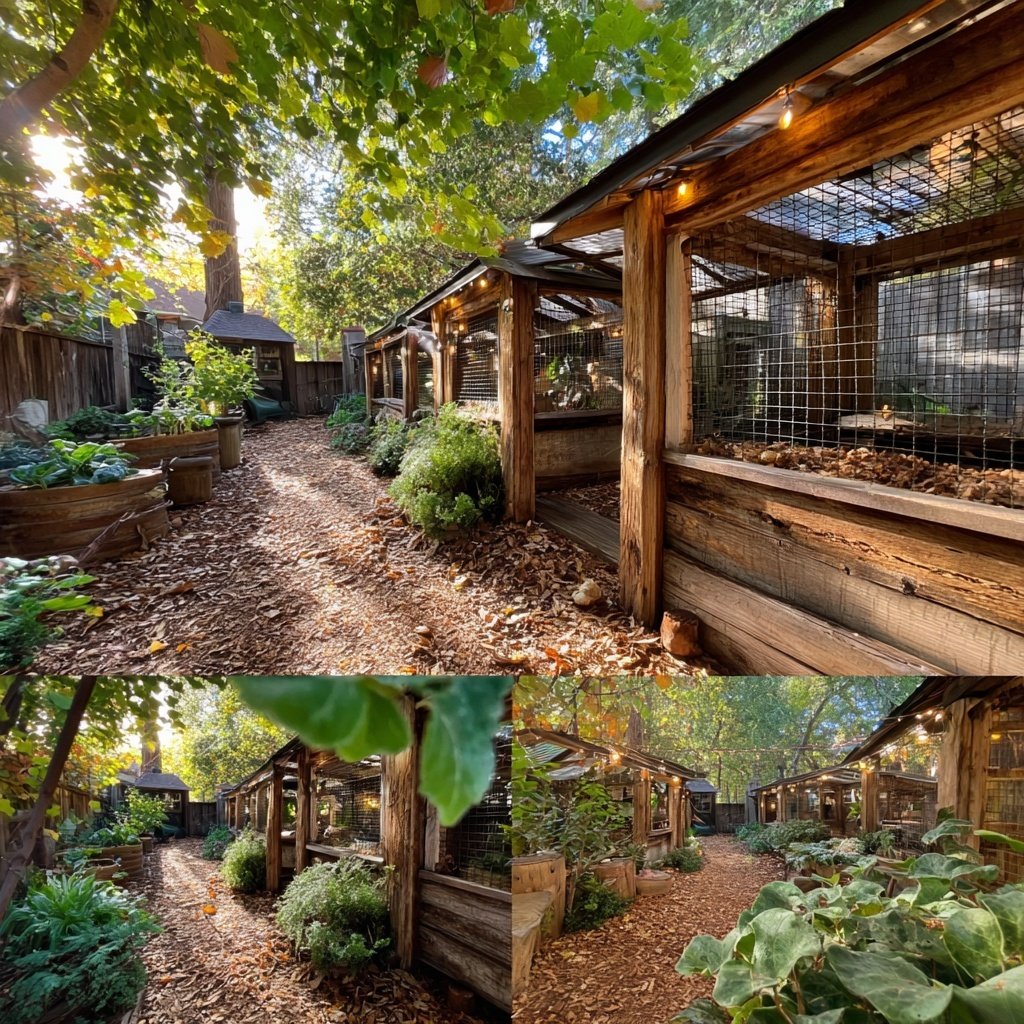
Why You Will Love This Covered Chicken Run Design
- Creates a safe environment for your chickens to enjoy the outdoors.
- Allows for easy observation while keeping predators at bay.
- The design can be customized to fit any backyard space.
Choosing the Right Materials
When building your covered chicken run, selecting the right materials is crucial for durability and safety. I recommend using treated wooden posts for longevity, ensuring they can withstand the elements without rotting. The wire mesh should be hardware cloth with a fine gauge, preventing even the smallest predators from getting in. For the roof, consider using metal roofing, which not only provides excellent protection from rain but also reflects heat during the summer, keeping the inside cooler for your chickens.
If you’re looking for a more budget-friendly option, PVC pipes can also make excellent rafters. However, keep in mind that they may not be as sturdy as wooden rafters, especially in high winds or heavy snow. Reinforce the structural integrity by adding cross bracing with extra wire or wood in areas that may experience more stress. This ensures your design remains upright and safe for your flock.
Roof Considerations
The roof design of your chicken run can significantly impact the overall success of the project. A sloped roof is ideal as it facilitates water runoff, preventing pooling that could lead to leaks or sagging. When you attach your roofing material, ensure it's tightly secured against strong winds. I also recommend using screws instead of nails, as they provide better holding power in adverse weather conditions.
In addition to protecting your chickens from rain, consider incorporating shaded areas within the roof design. This can be created using tarps or additional structures that block sunlight during the hottest parts of the day. A shaded area will help reduce heat stress in your chickens, especially in warmer climates, keeping them comfortable and happy throughout the day.
Ingredients
Materials
- Wooden posts (4x4)
- Wire mesh (hardware cloth)
- PVC pipes or wooden rafters
- Hinged door
- Roofing material (metal or tarp)
- Nails or screws
- Tools (saw, drill, measuring tape)
Instructions
Construct the Frame
Begin by measuring and marking the area for your chicken run. Use wooden posts as the corners of your frame and connect them with more posts to create a rectangular shape, making sure it's secure and sturdy.
Attach the Wire Mesh
Once the frame is complete, attach wire mesh around the sides using nails or screws, ensuring there are no gaps that predators could exploit.
Build the Roof
Install PVC pipes or wooden rafters on top of the structure to create a sloped roof, allowing for rain runoff. Cover with your chosen roofing material to provide protection.
Add the Door
Cut out an entryway and attach a hinged door for easy access to your chickens. Make sure it seals tightly to deter any possible intruders.
Finishing Touches
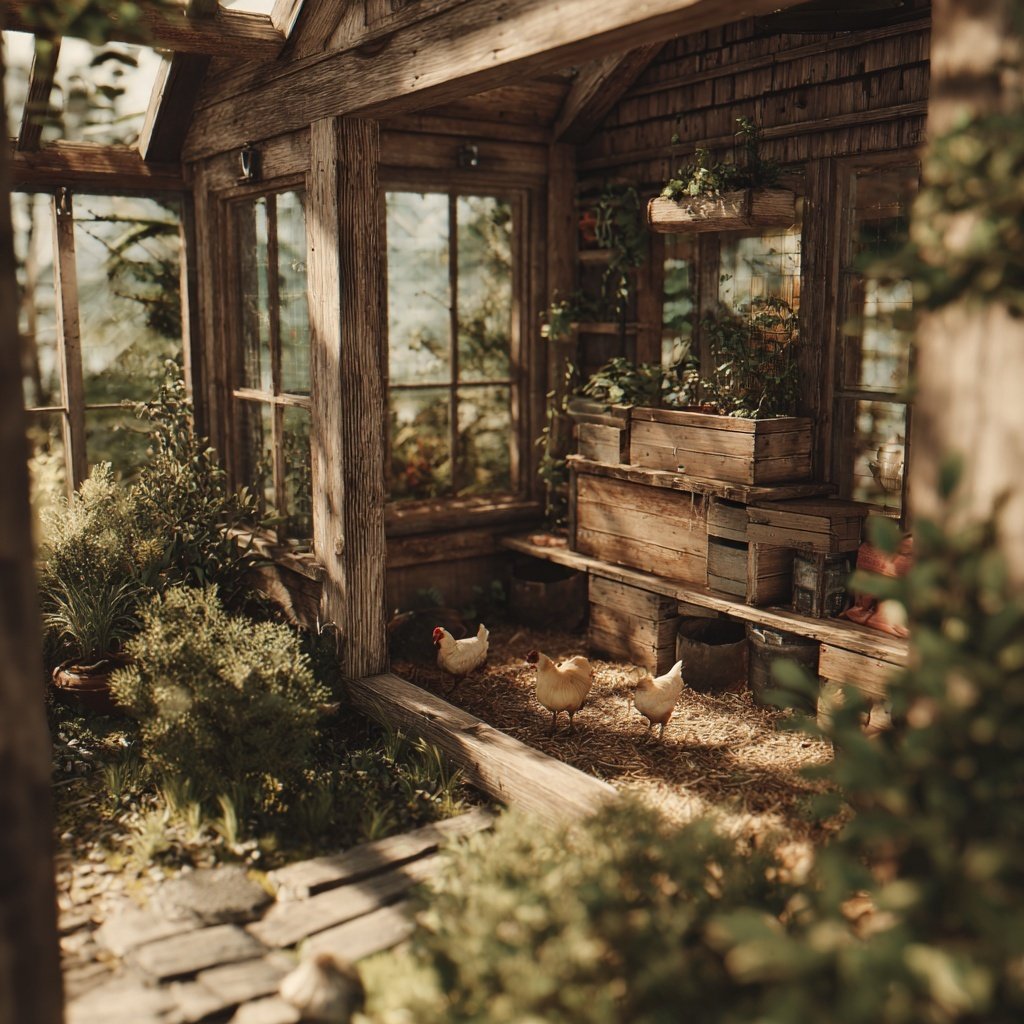
Finally, add some enrichment items like perches, nesting boxes, or hiding spots within the run to keep your chickens entertained and engaged.
Pro Tips
- Consider placing your run in a shaded area of your yard to protect your chickens from extreme heat. Regular maintenance checks on the structure will ensure its longevity and the safety of your flock.
Set Up and Maintenance
Once your covered chicken run is complete, it’s essential to regularly check for any wear and tear. Examine the wire mesh for holes or fraying, especially after severe weather. Conducting monthly inspections can prevent potential escapes or predator access. Tighten any loose connections on your roofing material as needed, and replace any damaged sections promptly to ensure your hens remain safe.
Proper maintenance also includes keeping the run clean. Remove droppings regularly to maintain hygiene, which helps prevent the spread of disease among your flock. I suggest setting up a simple cleaning schedule—perhaps a quick clean-out once a week—so your chickens always have a tidy environment.
Enrichment Ideas for Chickens
To enhance the well-being of your chickens within the run, consider adding various enrichment items. Perches can provide them with a place to roost during the day, and using different heights encourages natural behaviors like jumping and exploring. Nesting boxes placed in secure corners can also help your hens feel more at home and provide a sense of security.
Hiding spots made from natural materials like straw bales or logs can stimulate their curiosity and encourage foraging behaviors. You might even create a dust bath area filled with sand or soil, which is essential for chickens to maintain feather health and keep pests at bay. Keeping your chickens engaged with these additions minimizes boredom and promotes healthier, happier birds.
Questions About Recipes
→ How big should my chicken run be?
A good rule of thumb is at least 10 square feet per chicken for the run.
→ How do I make sure my run is predator-proof?
Use strong wire mesh and ensure the bottom is secured to the ground or buried to prevent digging.
→ Can I use just any kind of roof?
It’s best to choose a sturdy roofing material that can withstand local weather conditions and provide shade.
→ How often should I clean the run?
Cleaning the run at least once a week is recommended to maintain a healthy environment for your chickens.
Covered Chicken Run Design
Created by: Maisie Clarke
Recipe Type: International Meal Ideas
Skill Level: Intermediate
Final Quantity: 1
What You'll Need
Materials
- Wooden posts (4x4)
- Wire mesh (hardware cloth)
- PVC pipes or wooden rafters
- Hinged door
- Roofing material (metal or tarp)
- Nails or screws
- Tools (saw, drill, measuring tape)
How-To Steps
Begin by measuring and marking the area for your chicken run. Use wooden posts as the corners of your frame and connect them with more posts to create a rectangular shape, making sure it's secure and sturdy.
Once the frame is complete, attach wire mesh around the sides using nails or screws, ensuring there are no gaps that predators could exploit.
Install PVC pipes or wooden rafters on top of the structure to create a sloped roof, allowing for rain runoff. Cover with your chosen roofing material to provide protection.
Cut out an entryway and attach a hinged door for easy access to your chickens. Make sure it seals tightly to deter any possible intruders.
Finally, add some enrichment items like perches, nesting boxes, or hiding spots within the run to keep your chickens entertained and engaged.
Extra Tips
- Consider placing your run in a shaded area of your yard to protect your chickens from extreme heat. Regular maintenance checks on the structure will ensure its longevity and the safety of your flock.
Nutritional Breakdown (Per Serving)
- Calories: 0 kcal
- Total Fat: 0g
- Saturated Fat: 0g
- Cholesterol: 0mg
- Sodium: 0mg
- Total Carbohydrates: 0g
- Dietary Fiber: 0g
- Sugars: 0g
- Protein: 0g