Baking & Desserts Classic Vanilla Butter Cake
Highlighted under: Wholesome Sweet Bakes
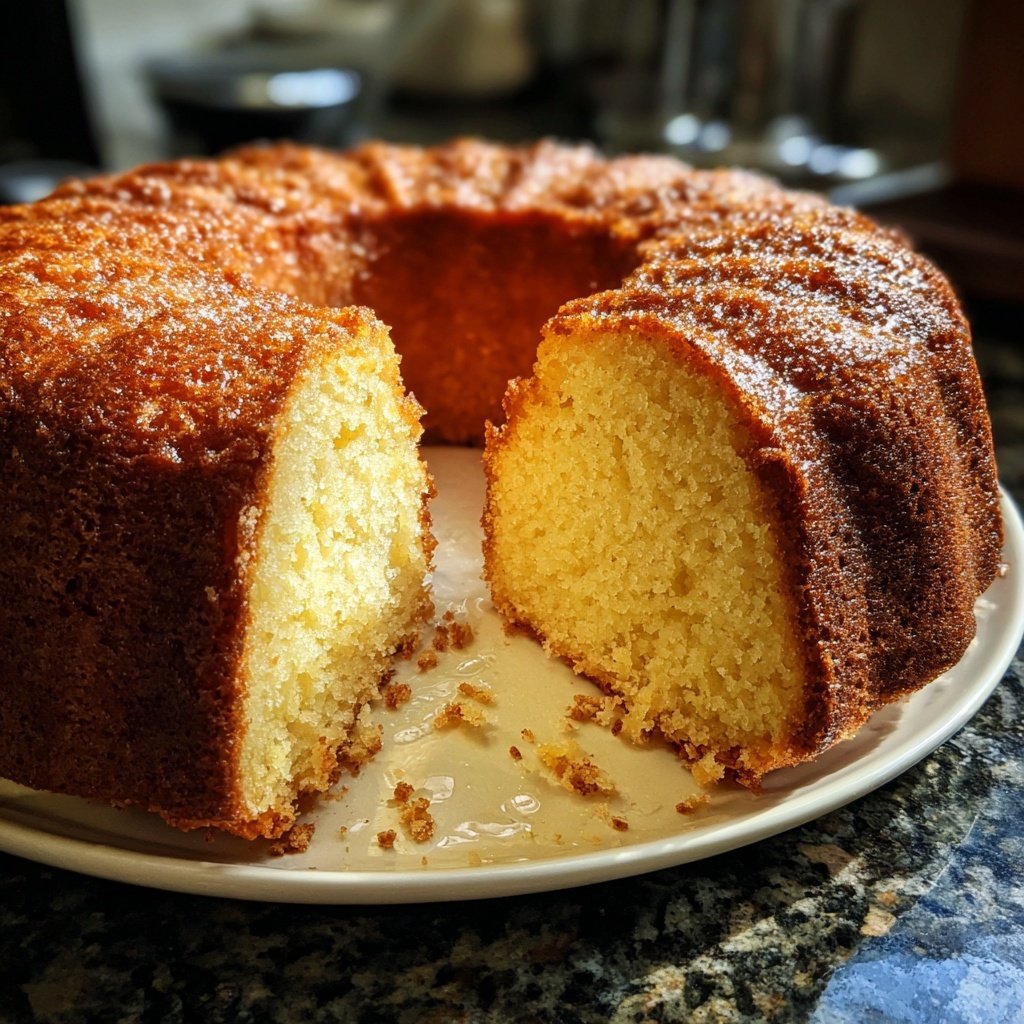
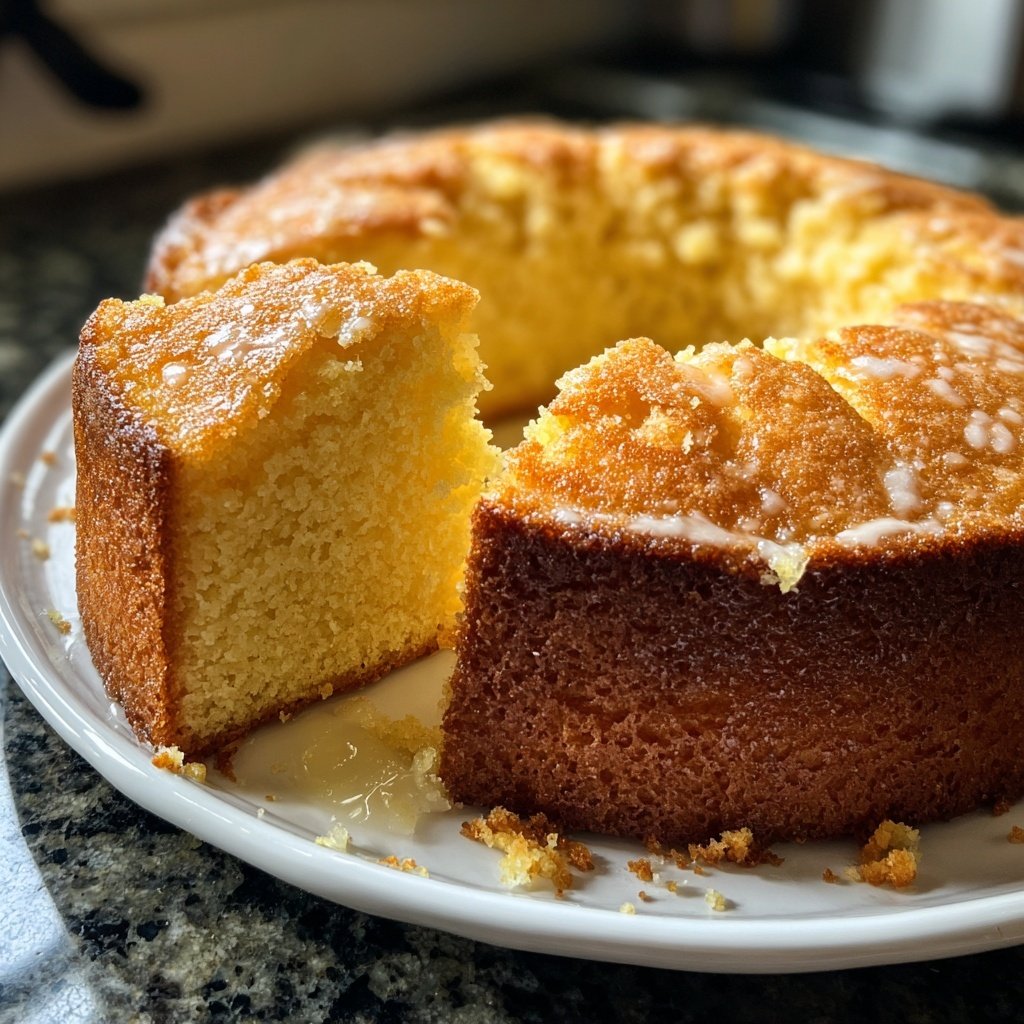
I can't get enough of this classic vanilla butter cake! The delightful aroma of vanilla fills my kitchen as it bakes, and the cake turns out so fluffy and moist every time. The combination of butter and sugar creates a rich flavor that’s truly irresistible. Whether I’m serving it for a family gathering or enjoying a slice with coffee, this cake never fails to impress. It’s a simple recipe that yields impressive results, making it a go-to for any occasion. You’re going to love how versatile it is for decorating or serving plain!
When I first tried this vanilla butter cake recipe, I was amazed by how easy it was to make. The secret lies in creaming the butter and sugar until it’s light and fluffy, which creates that heavenly texture we all adore. I learned that using room-temperature ingredients helps them blend seamlessly, giving the cake a consistent rise.
I also discovered that letting the cake cool completely before frosting keeps the layers from slipping apart. This little tip ensures that my frosting doesn’t melt into the cake, making each slice look as good as it tastes!
Why You'll Love This Recipe
- Rich, buttery flavor paired with a hint of vanilla sweetness
- Perfectly moist texture that makes every bite a delight
- Versatile base for various frostings and toppings
Mastering the Texture
Achieving the perfect fluffy texture is key to this vanilla butter cake. The creaming process is crucial; ensure you beat the butter and sugar until it’s pale and light, which usually takes about 3-5 minutes with an electric mixer on medium speed. This process incorporates air, which will give your cake its lift and airy quality. For best results, use room temperature butter; it should feel soft but not greasy when you touch it.
Don’t rush the addition of the eggs. It's best to add them one at a time and mix thoroughly after each addition. This not only helps to create an even batter but also ensures the eggs emulsify properly, contributing to the overall moistness of the cake. If you notice the batter is a little curdled after adding the eggs, don't worry—just keep mixing until it smooths out.
Ingredient Insights
The choice of butter plays a significant role in the flavor profile of this cake. I suggest using high-quality unsalted butter for a pure buttery taste, avoiding margarine or low-fat options, as they will alter the cake’s texture and richness. The vanilla extract is equally important; for an extra aromatic experience, consider using pure vanilla extract rather than artificial flavoring. It enhances the cake's flavor and pairs beautifully with the butter.
When it comes to flour, all-purpose flour is ideal, yet you can achieve a slightly different texture by substituting up to 25% with cake flour. This adjustment will yield a tender crumb. Be sure to measure your flour correctly, spooning it into the measuring cup and leveling it off for accuracy; too much flour can lead to a dense cake.
Serving Suggestions and Variations
This vanilla butter cake serves as a versatile canvas for any celebration. You can serve it plain with a dusting of powdered sugar or pair it with fresh berries and whipped cream for a delightful treat. For an elegant finish, frost it with a classic buttercream or cream cheese frosting, adding flavors like lemon or chocolate to complement the vanilla.
If you're looking to add a twist, try incorporating citrus zest or spices such as nutmeg or cinnamon into the batter. These additions can create a whole new dimension to the cake's flavor, making it an exciting option for different occasions, from birthdays to holiday gatherings.
Ingredients
Gather these ingredients to make your classic vanilla butter cake:
Ingredients
- 1 ½ cups unsalted butter, softened
- 2 ¾ cups all-purpose flour
- 2 ½ cups granulated sugar
- 1 tablespoon baking powder
- ½ teaspoon salt
- 1 tablespoon vanilla extract
- 5 large eggs
- 1 cup milk
Make sure to measure your ingredients accurately for the best results!
Instructions
Follow these steps to create a delicious vanilla butter cake:
Preheat and Prepare
Preheat your oven to 350°F (175°C). Grease and flour two 9-inch round cake pans.
Cream the Butter and Sugar
In a large mixing bowl, beat the softened butter and granulated sugar together until the mixture is light and fluffy.
Add Eggs and Vanilla
Add eggs one at a time, mixing well after each addition. Stir in the vanilla extract.
Mix Dry Ingredients
In a separate bowl, combine flour, baking powder, and salt. Mix well.
Combine Mixtures
Gradually add the dry ingredients to the butter mixture, alternating with milk. Mix until just combined.
Bake
Divide the batter evenly between the prepared cake pans and bake for 30-35 minutes, or until a toothpick inserted into the center comes out clean.
Cool and Serve
Allow the cakes to cool in the pans for 10 minutes, then turn them out onto wire racks to cool completely.
Once cooled, you can frost or enjoy the cake plain!
Pro Tips
- For a richer flavor, consider adding almond extract alongside the vanilla. Also, using high-quality vanilla can elevate your cake significantly.
Storage Tips
To keep your vanilla butter cake fresh for longer, store it in an airtight container at room temperature for up to three days. If the weather is particularly humid, wrapping the cake in plastic wrap can help prevent it from drying out. For longer storage, you can freeze the cake; simply wrap it tightly in plastic wrap and then in aluminum foil. It will stay fresh in the freezer for up to three months.
When you're ready to enjoy your frozen cake, simply transfer it to the refrigerator to thaw overnight. Avoid placing it in the microwave, as this can make the texture gummy. Reheating individual slices in the oven at 200°F (93°C) for 10 minutes can restore some of its original moistness.
Troubleshooting Common Issues
If your cake domes in the middle, it could mean the oven temperature is too high, causing the outer edges to set before the center can rise properly. Use an oven thermometer to ensure accurate temperature readings. Conversely, if your cake sinks in the middle after baking, it might be because of underbaking or incorporating too much air into the batter during mixing; ensure you don't overbeat once the dry ingredients are added.
In case the cake turns out dry, it’s often due to overbaking. Check your cake a few minutes early by inserting a toothpick; it should come out with a few moist crumbs rather than dry batter, and certainly not too dry. Additionally, ensuring you’re using fresh baking powder can impact how well the cake rises and keeps its moisture.
Scaling the Recipe
If you need to scale this vanilla butter cake recipe up or down, you can adjust it easily. For a single layer, simply halve all the ingredients and use an 8-inch round pan. Keep an eye on the baking time; a smaller cake will cook faster, usually around 25-30 minutes, so check for doneness earlier.
For larger gatherings, doubling the recipe is also achievable! Just ensure to use larger pans, and consider baking in batches if your oven space is limited. Be mindful of the bake time, as it may require additional time in the oven when using larger pans. Just like always, the toothpick test is your best friend.
Questions About Recipes
→ Can I use margarine instead of butter?
While margarine can be used, it may affect the flavor and texture. Butter is recommended for best results.
→ How do I know when the cake is done?
Insert a toothpick into the center of the cake; if it comes out clean, the cake is done.
→ Can I freeze this cake?
Yes, you can freeze the cake. Wrap it tightly in plastic wrap and store in the freezer for up to 3 months.
→ What frosting works best with this cake?
A classic buttercream or cream cheese frosting complements this cake beautifully.
Baking & Desserts Classic Vanilla Butter Cake
Created by: Maisie Clarke
Recipe Type: Wholesome Sweet Bakes
Skill Level: Beginner
Final Quantity: 8 slices
What You'll Need
Ingredients
- 1 ½ cups unsalted butter, softened
- 2 ¾ cups all-purpose flour
- 2 ½ cups granulated sugar
- 1 tablespoon baking powder
- ½ teaspoon salt
- 1 tablespoon vanilla extract
- 5 large eggs
- 1 cup milk
How-To Steps
Preheat your oven to 350°F (175°C). Grease and flour two 9-inch round cake pans.
In a large mixing bowl, beat the softened butter and granulated sugar together until the mixture is light and fluffy.
Add eggs one at a time, mixing well after each addition. Stir in the vanilla extract.
In a separate bowl, combine flour, baking powder, and salt. Mix well.
Gradually add the dry ingredients to the butter mixture, alternating with milk. Mix until just combined.
Divide the batter evenly between the prepared cake pans and bake for 30-35 minutes, or until a toothpick inserted into the center comes out clean.
Allow the cakes to cool in the pans for 10 minutes, then turn them out onto wire racks to cool completely.
Extra Tips
- For a richer flavor, consider adding almond extract alongside the vanilla. Also, using high-quality vanilla can elevate your cake significantly.
Nutritional Breakdown (Per Serving)
- Calories: 380 kcal
- Total Fat: 26g
- Saturated Fat: 15g
- Cholesterol: 195mg
- Sodium: 85mg
- Total Carbohydrates: 32g
- Dietary Fiber: 3g
- Sugars: 24g
- Protein: 6g